Beef Origin Claims Under the Spotlight as Verification Standards Tighten
Scrutiny over where beef actually comes from has reached a turning point. USDA-backed verification standards are tightening, and the documentation required to support a U.S.-origin claim on packaging is no longer a formality. For shoppers, that means labels may finally reflect something real. For companies, it means the cost of vague or unsupported origin language is rising. This article covers what has changed in the rules, which claims now demand documented proof, and how operators can keep their labeling on the right side of compliance.
Why Beef Origin Claims Are Receiving Closer Regulatory Attention
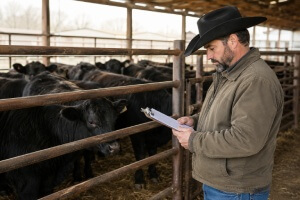
This year, the administration came under pressure from USDA regulations and their own cattlemen to the top agenda enforcing the law for OTOP. The cattle industry has really been split on this topic for years. For years, it was permissible for a product of beef processed in the United States from cattle born and raised abroad to be labeled “Product of USA.”
On-field audits are underway to ensure strict compliance of 2024 rules, almost leaving beef to be labeled mainly as product of the United States in any circumstance when processing itself was done here. Some other rules demand, “A ‘product of USA’ Claim Requires Which Cattle Were Born, Raised, Slaughtered, and Processed Within the United States.”
Origin conditions can really make a difference when it comes to trade. Various studies have shown that customers consistently surpass the markets to eat up U. S. beef. Therefore, the right labeling is something of a matter of competition. It is not just paper-working thing.
What Verification Now Requires From Producers and Processors
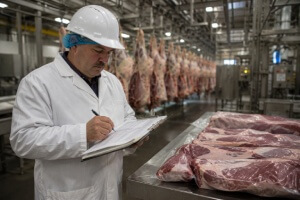
Any company placing a U.S.-origin claim on beef packaging must hold documentation proving the animal was born, raised, slaughtered, and processed entirely within the United States. That means a full audit trail: supplier affidavits, animal movement records tied to specific lots, slaughter facility documentation, and internal labeling controls that link each package to verified source cattle.
Consider two labels side by side. One reads “Born, Raised, Slaughtered, and Processed in the USA” and is backed by complete chain-of-custody records from a Nebraska ranch through a domestic processing facility. The other carries a broad “Product of USA” claim on beef from cattle imported from Mexico and simply finished at a U.S. plant. The second label is noncompliant. Processing alone does not satisfy origin verification.
How Tighter Standards Reshape Labeling, Risk, and Buyer Confidence
Procurement teams and labeling managers face real exposure now. If your product carries a U.S.-origin claim, documentation must trace the animal through every stage: born, raised, slaughtered, and processed on American soil. A supplier affidavit from 2021 won’t hold up in a 2025 audit.
Retailers and foodservice buyers are asking harder questions, and some are pulling claims that can’t be verified on short notice. There’s no denying that the commercial risk of an unsupported origin statement has grown sharply.
For shoppers, tighter verification means origin labels carry more weight. A “Product of USA” claim backed by auditable records is genuinely more trustworthy than one applied loosely.
Precise claim language and documented supply chain records are no longer optional formalities.
Clear Proof Makes Origin Claims More Credible
Bearing in mind the standards for verification are clearly being raised from one day to the other and thereby remodeling the actual meaning of a packaging of “Product of the USA,” documentation, chain-of-custody records, and clear and concise claim wording are really what an authentic origin statement should be based on and no ad libbing. When labels give hope for something the supply chain could not ensure, trust very quickly goes into smoke. Producers and processors of beef marketed on a U. S.-origin claim have to attest to each step, from birth to death. From the point of view of a customer, it should mean, at the end of the day, a label that means nothing other than “Take everything, nothing is proven except contentiously,” except that it should be worded in a way that is very specific, very transparent, and the accuracy of the claim can be verified with further documents.